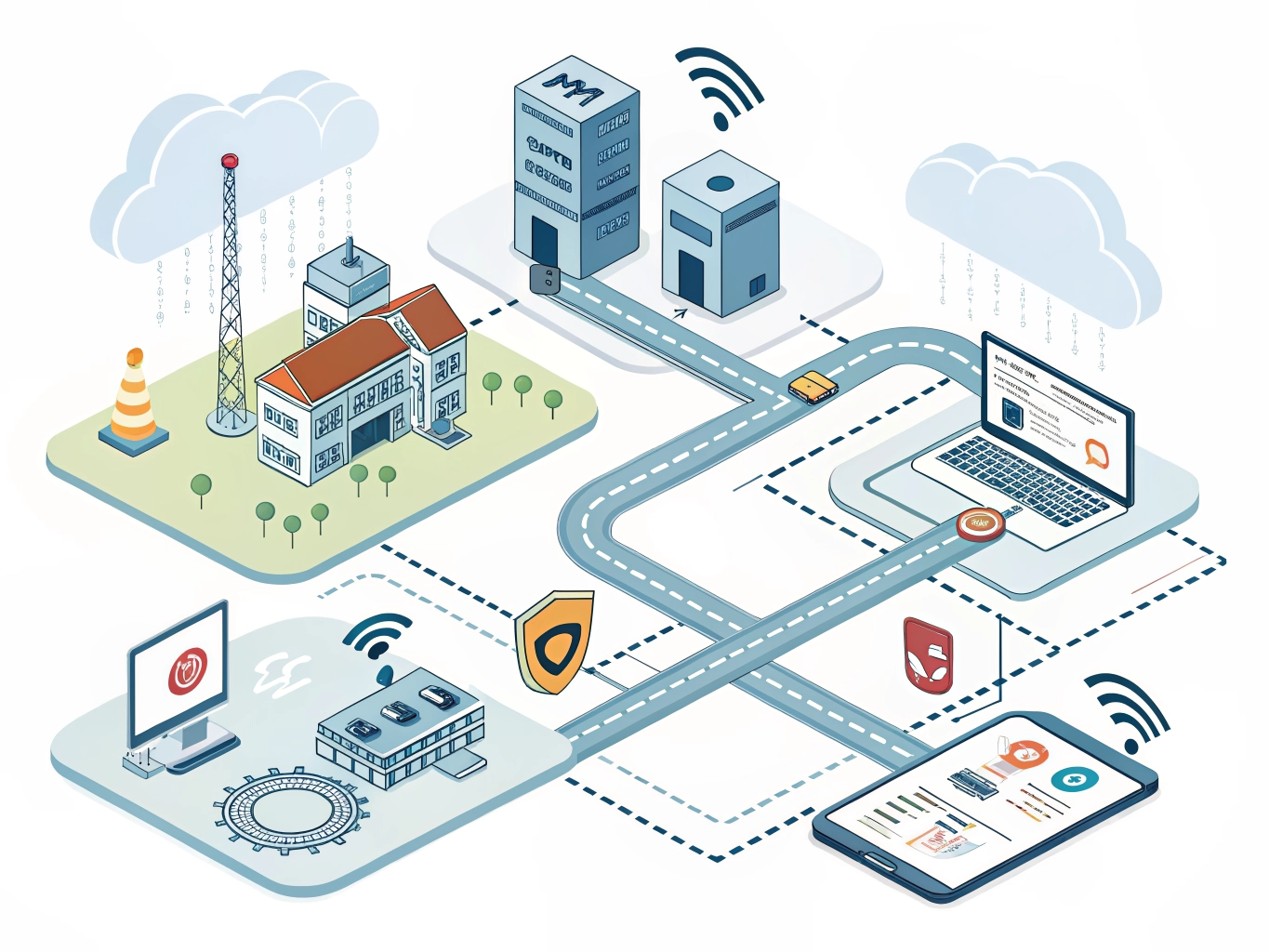
In the digital age, social engineering attacks have become a prevalent threat, exploiting human psychology rather than technical vulnerabilities to breach security defenses. These attacks manipulate individuals into divulging confidential information, which can then be used for malicious purposes. Understanding the various types of social engineering attacks is crucial for individuals and organizations to protect themselves against these sophisticated schemes. In this blog post, we will explore the most common types of social engineering attacks, providing insight into how they operate and how you can recognize them.
Top 6 Types of Social Engineering Attacks
-
Phishing: The Most Common Social Engineering Attack
Phishing is one of the most common types of social engineering attacks, where attackers send fraudulent emails or messages that appear to be from a legitimate source. The goal is to trick recipients into revealing sensitive information such as usernames, passwords, or credit card details.
-
Spear Phishing: Targeted Social Engineering Attacks
Spear phishing is a more targeted form of phishing. Unlike generic phishing attacks, spear phishing involves personalized messages aimed at a specific individual or organization. Attackers gather information about their target to craft a more convincing and tailored message.
-
Baiting: Enticing Victims with Promises of Rewards
Baiting involves enticing victims with a promise of a reward or a lure, often involving physical media like USB drives or digital downloads. The bait typically contains malware or directs the victim to a malicious website.
-
Pretexting: Fabricated Scenarios to Extract Information
Pretexting involves creating a fabricated scenario or pretext to obtain information from a target. The attacker often pretends to need the information to confirm the identity of the person they are targeting.
-
Quid Pro Quo: Exchange of Services for Information
Quid pro quo attacks involve an attacker offering a service or benefit in exchange for information or access. This type of attack often involves impersonation of IT staff or technical support.
-
Tailgating: Unauthorized Entry by Following Authorized Individuals
Tailgating, or piggybacking, occurs when an unauthorized person follows an authorized individual into a restricted area. This type of attack relies on the attacker’s ability to exploit the politeness or lack of security awareness of others.
Conclusion
Social engineering attacks capitalize on human weaknesses, making them a formidable challenge to cybersecurity. By being aware of the different types of social engineering attacks, you can better protect yourself and your organization from these deceptive threats. Recognizing the signs and understanding the methods used by attackers are the first steps in safeguarding sensitive information.
Next Steps
In our next blog post, we will delve into strategies and best practices to mitigate the risks associated with social engineering attacks. Stay tuned to learn how you can enhance your security posture and defend against these manipulative tactics.
An Ask
I invite you to share your thoughts, memories, or even your own experiences in the comments below. Your feedback and support will be invaluable in shaping this narrative, and I look forward to continuing this adventure together. Thank you !
CyberSecurity #InfoSec #SocialEngineering #Phishing #SpearPhishing #Baiting #Pretexting #QuidProQuo #Tailgating #SecurityAwareness #DataProtection #CyberAwareness #SecurityTips #OnlineSafety #MitigateRisk #CyberThreats #DigitalSecurity #ProtectYourData #SecurityBestPractices #StaySafeOnlineBestCybersecurityTips#BestCybersecurityBlog#cyberguy
#AdilTheCyberGuy
Stay Connected
LinkedIn: Syed-Adil Hussain
Email@: thecyberguy90@gmail.com

Feel free to reach out to me in English, German, Urdu, or Hindi—I’m fluent in all four languages. Whether you have questions, want to share your own experiences, or just fancy a friendly conversation, I’m here! Your thoughts and insights are always welcome.