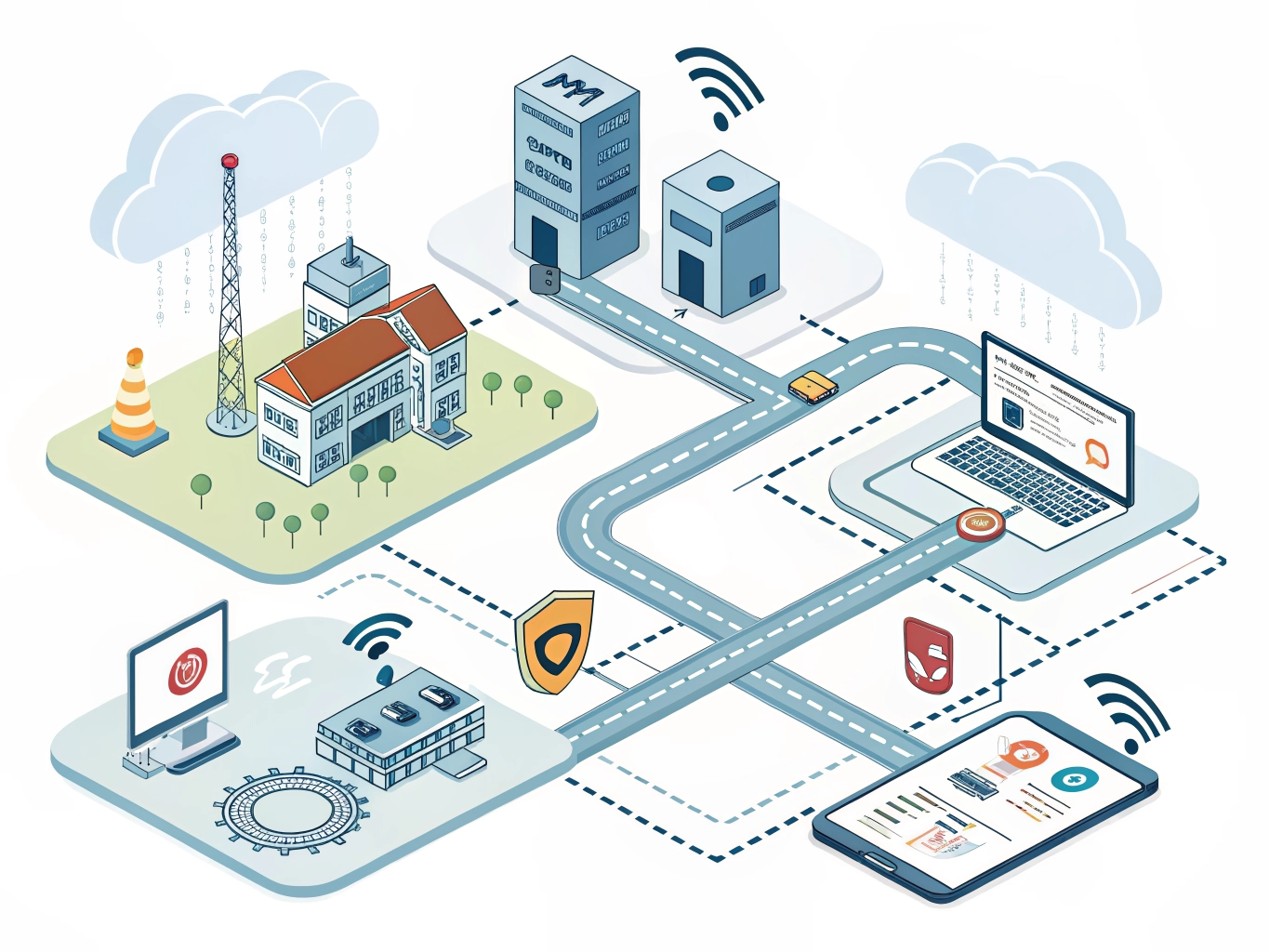
Social engineering attacks exploit human psychology to bypass security measures, making them particularly challenging to defend against. However, with the right strategies and awareness, individuals and organizations can significantly reduce the risk of falling victim to these attacks.
Strategies to Mitigate Social Engineering Attacks
-
Employee Training and Awareness Programs
Regular training and awareness programs are essential to educate employees about the various types of social engineering attacks and how to recognize them.
Conduct mandatory security awareness training sessions, provide up-to-date information on new threats, and simulate social engineering attacks to test employee readiness.
-
Implement Strong Policies and Procedures
Establishing robust security policies and procedures can help prevent social engineering attacks by creating a structured approach to handling sensitive information.
Develop clear guidelines for handling confidential information, require multi-factor authentication for accessing sensitive systems, and enforce a strict policy on verifying the identity of individuals requesting information.
-
Use of Advanced Security Technologies
Leveraging advanced security technologies can provide an additional layer of defense against social engineering attacks.
Implement email filtering solutions to block phishing attempts, use endpoint security software to detect and prevent malware, and deploy identity verification tools to authenticate users.
-
Regular Security Audits and Assessments
Conducting regular security audits and assessments helps identify vulnerabilities that could be exploited by social engineering attacks.
Perform periodic penetration testing, review and update security policies regularly, and engage third-party security experts to assess your defenses.
-
Promote a Security-First Culture
Fostering a culture that prioritizes security can reduce the likelihood of social engineering attacks being successful.
Encourage employees to report suspicious activities, reward proactive security behavior, and integrate security considerations into all business processes.
-
Verification Procedures
Implementing verification procedures can prevent attackers from successfully using pretexting or other deception tactics.
Require employees to verify the identity of anyone requesting sensitive information, use callback procedures for telephone requests, and establish secure communication channels for sensitive transactions.
-
Physical Security Measures
Enhancing physical security measures can protect against tailgating and other physical social engineering attacks.
Use access control systems, install surveillance cameras, and train employees to be vigilant about physical security.
Conclusion
Mitigating social engineering attacks requires a multi-faceted approach that includes employee training, strong policies, advanced technologies, regular assessments, and a security-first culture. By implementing these strategies, you can significantly reduce the risk of falling victim to social engineering attacks and protect your sensitive information.
An Ask
I invite you to share your thoughts, memories, or even your own experiences in the comments below. Your feedback and support will be invaluable in shaping this narrative, and I look forward to continuing this adventure together. Thank you !
#CyberSecurity #InfoSec #SocialEngineering #SecurityTraining #SecurityPolicies #AdvancedSecurity #SecurityAudits #PhysicalSecurity #OnlineSafety #MitigateRisk #SecurityBestPractices#StaySafeOnlineBestCybersecurityTips#BestCybersecurityBlog
#cyberguy#AdilTheCyberGuy
Stay Connected
LinkedIn: Syed-Adil Hussain
Email@: thecyberguy90@gmail.com

Feel free to reach out to me in English, German, Urdu, or Hindi—I’m fluent in all four languages. Whether you have questions, want to share your own experiences, or just fancy a friendly conversation, I’m here! Your thoughts and insights are always welcome.