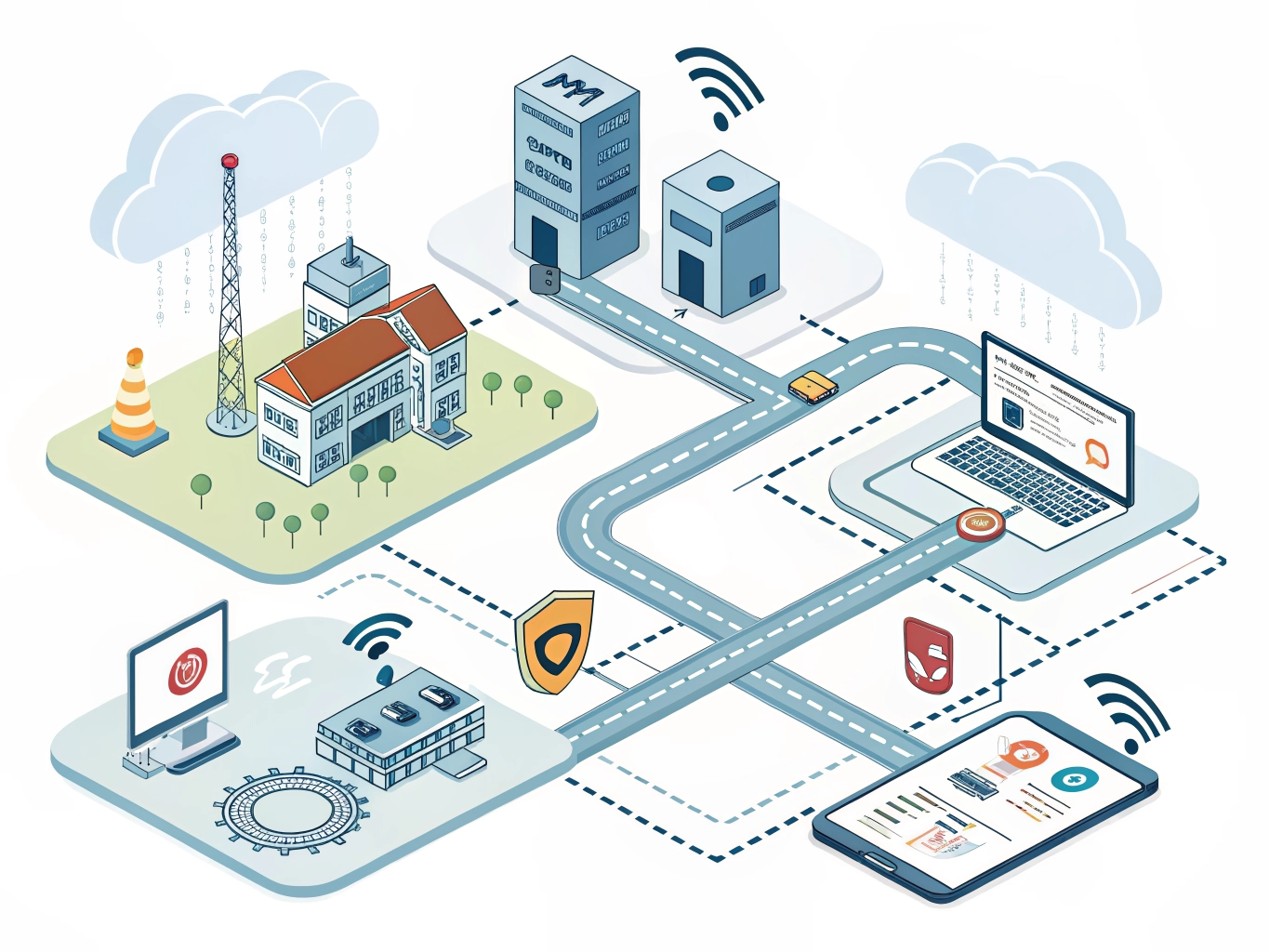
As businesses continue to migrate to the cloud, the landscape of cybersecurity evolves in tandem, necessitating innovative approaches to protect data and applications. Enter Security Service Edge (SSE), a term introduced by Gartner as a critical component of the SASE framework, specifically focusing on securing access to the web, cloud services, and private applications. This blog post delves into the origins of SSE, its functionalities, and the pivotal role it plays in fortifying cloud security in today’s digital-first environment.
The Origin of SSE
-
A Strategic Evolution
SSE emerged from the growing need for comprehensive security solutions that address the specific challenges of cloud computing and remote work. It represents a subset of the broader SASE concept, honing in on security services that protect data and user interactions with the cloud.
-
Gartner’s Vision for Cloud Security
Gartner’s introduction of SSE reflects a strategic vision to streamline and enhance security services at the edge of the network, where users connect to their resources. It underscores the shift from traditional, perimeter-based security models to a more flexible, user-centric approach that aligns with the realities of modern business operations.
Core Components and Capabilities of SSE
-
Integrated Security Functions
SSE encompasses several key security functions, including Cloud Access Security Brokers (CASBs), Secure Web Gateways (SWG), and Zero Trust Network Access (ZTNA). By combining these services, SSE offers a unified solution to secure all interactions between users, devices, and cloud services.
-
Enabling Safe Cloud Adoption
At its core, SSE facilitates safe and efficient cloud adoption by providing visibility and control over data and applications, regardless of where users are connecting from. This is increasingly crucial as enterprises adopt a cloud-first strategy in the wake of digital transformation.
Addressing Modern Challenges with SSE
-
Securing Remote Work
SSE shines in environments where traditional security perimeters are no longer viable, such as remote work scenarios. It ensures that security policies are consistently applied across all cloud services, protecting against data leaks and other cyber threats.
-
Streamlining Cloud Security Management
By consolidating multiple security services under the SSE umbrella, organizations can reduce complexity and enhance operational efficiency. This single-pane-of-glass approach to cloud security management allows for better agility and faster response to emerging threats.
-
Enhancing Compliance and Data Protection
SSE provides the tools necessary for organizations to comply with regulatory requirements and protect sensitive data in the cloud. Its comprehensive coverage ensures that data is secure in transit and at rest, mitigating the risk of breaches and unauthorized access.
Conclusion
Security Service Edge (SSE) represents a significant advancement in the quest to secure the digital enterprise. By addressing the unique challenges posed by cloud computing and remote work, SSE offers a robust and flexible solution to protect data, applications, and users. As the digital landscape continues to evolve, adopting SSE will be key for organizations looking to safeguard their cloud environments and support their business objectives in a secure, compliant manner.
An Ask
I invite you to share your thoughts, memories, or even your own experiences in the comments below. Your feedback and support will be invaluable in shaping this narrative, and I look forward to continuing this adventure together. Thank you !
#SSE #SecurityServiceEdge #CloudSecurity #CASB #SWG #ZTNA #Cybersecurity #DataProtection #CloudComputing #InfoSec
#BestCybersecurityTips#BestCybersecurityBlog#cyberguy#AdilTheCyberGuy
#cybersecurity engineer
Stay Connected
LinkedIn: Syed-Adil Hussain
Email@: thecyberguy90@gmail.com
Feel free to reach out to me in English, German, Urdu, or Hindi—I’m fluent in all four languages. Whether you have questions, want to share your own experiences, or just fancy a friendly conversation, I’m here! Your thoughts and insights are always welcome.