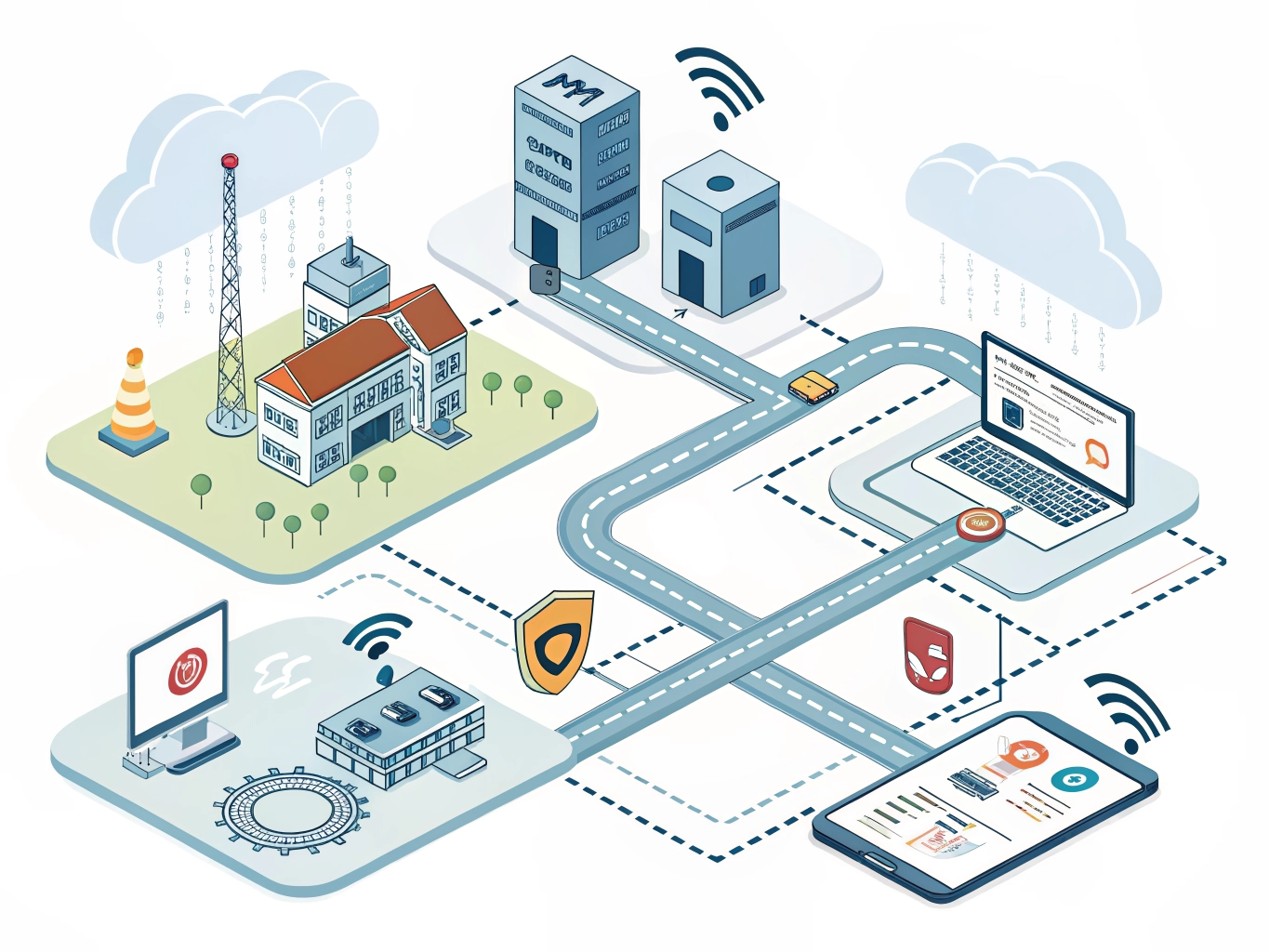
In today’s hyper-connected world, internet security has become one of the most critical aspects of cybersecurity. From casual web browsing to financial transactions, ensuring a safe and secure online presence is no longer optional—it’s essential. In this blog, we’ll explore the many facets of internet security, including secure browsing, endpoint protection, and more.
Choosing the Right Browser for Enhanced Privacy

Your browser is your gateway to the internet, and selecting the right one can greatly enhance your online security. While mainstream browsers like Chrome and Safari are popular, they may not provide the highest level of privacy. Instead, consider using browsers with built-in anonymizers and advanced security features.
-
Brave Browser
Known for its focus on privacy, Brave blocks ads and trackers by default, ensuring your data remains private. It also supports the Tor network, allowing you to browse anonymously.
-
Firefox
With its customizable privacy settings and extensions like uBlock Origin, Firefox is a solid choice for those seeking better control over their online activities.
For added security, ensure your browser is always up to date, and consider using privacy-focused search engines like DuckDuckGo.
Endpoint Security: Your First Line of Defense

No matter how secure your browser is, your endpoint—whether it’s a PC, laptop, or smartphone—needs robust protection. Installing a reliable anti-malware solution is a must.
-
Windows Defender
If you’re a Windows user, you already have access to one of the most effective built-in security solutions. Regular updates and active threat protection make Windows Defender a solid choice for most users.
-
Third-Party Solutions
For advanced protection, solutions like Bitdefender, Kaspersky, or Malwarebytes can provide comprehensive malware, ransomware, and phishing defenses.
Additional Measures for Internet Security
-
Use a VPN
A Virtual Private Network encrypts your internet connection, making it harder for hackers to intercept your data. Services like NordVPN or ExpressVPN offer reliable protection.
-
Enable Multi-Factor Authentication (MFA)
Protect your accounts with an additional layer of security. Even if your password is compromised, MFA can prevent unauthorized access.
-
Email Security
Be cautious with email links and attachments. Phishing attacks are among the most common threats today.

Conclusion
Internet security isn’t a single solution—it’s a combination of practices, tools, and awareness. By using a secure browser like Brave, installing a reliable anti-malware solution, and taking proactive steps to protect your data, you can greatly reduce your risk of cyberattacks.
-
An Ask
I invite you to share your thoughts, memories, or even your own experiences in the comments below. Your feedback and support will be invaluable in shaping this narrative, and I look forward to continuing this adventure together. Thank you !
#InternetSecurity #CyberSecurity #OnlinePrivacy #SecureBrowsing #EndpointProtection #DataProtection #SafeOnline #CyberAwareness #DigitalSafety #PrivacyMatters#CyberThreats #NetworkSecurity#SecureTech #AISafety #DigitalTransformation#TheCyberGuyBlog#CyberAwareness#ProfessionalDevelopment
#TechTrends#BestCybersecurityBlog#AdilTheCyberGuy
Stay Connected
LinkedIn: Syed-Adil Hussain
Email@: thecyberguy90@gmail.com
Feel free to reach out to me in English, German, Urdu, or Hindi—I’m fluent in all four languages. Whether you have questions, want to share your own experiences, or just fancy a friendly conversation, I’m here! Your thoughts and insights are always welcome.