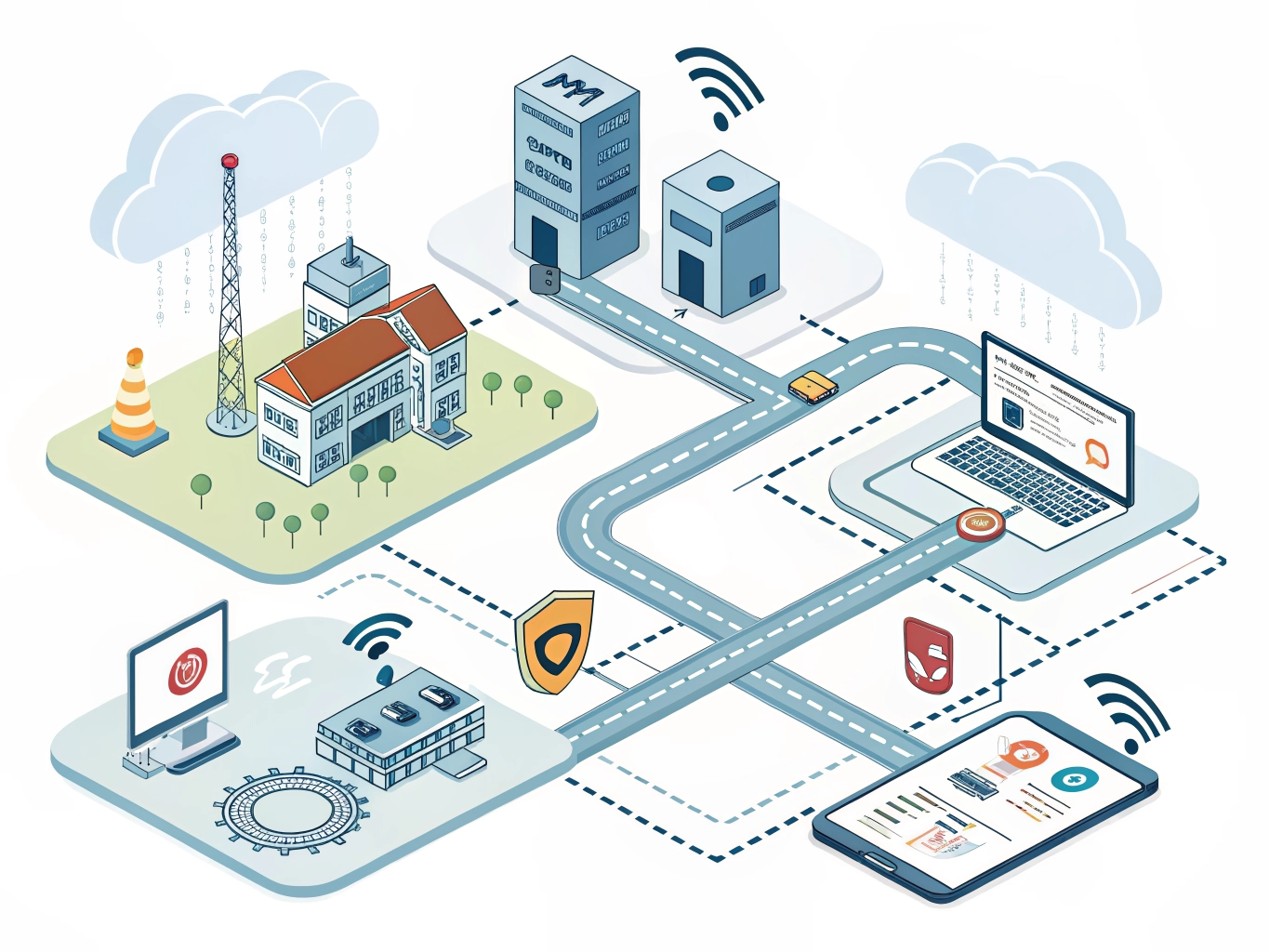
When we think about cybersecurity, it’s easy to focus on the technical aspects: firewalls, encryption, and sophisticated software designed to keep the bad guys out. But there’s a critical element that often gets overlooked in this high-tech landscape—the human factor. People, whether employees or users, are often the weakest link in the security chain. Let’s dive into why this is the case and how organizations can address this vulnerability.
The Human Element: The Achilles’ Heel of Cybersecurity
The most advanced security systems in the world can’t protect against a well-crafted phishing email or a cleverly disguised social engineering attack. Cybercriminals know this, and they exploit human psychology to bypass even the most secure systems. Whether it’s through phishing, where they lure victims into revealing personal information, or through social engineering, where they manipulate individuals into breaking standard security protocols, these attacks rely on human error.
Common Human Errors and How They Lead to Breaches
-
Phishing Attacks
- Despite all the warnings, phishing remains a top threat. Why? Because these attacks prey on emotions—fear, urgency, curiosity. A carefully timed email, supposedly from a trusted source, can trick even the savviest user into clicking a malicious link.
- Despite all the warnings, phishing remains a top threat. Why? Because these attacks prey on emotions—fear, urgency, curiosity. A carefully timed email, supposedly from a trusted source, can trick even the savviest user into clicking a malicious link.
-
Weak Passwords
- We’ve all heard it before—use strong passwords. Yet, weak or reused passwords are still a leading cause of security breaches. The convenience of a simple password often outweighs the perceived risk of a breach for many users.
- We’ve all heard it before—use strong passwords. Yet, weak or reused passwords are still a leading cause of security breaches. The convenience of a simple password often outweighs the perceived risk of a breach for many users.
-
Lack of Awareness
- Many employees simply aren’t aware of the latest threats. Without proper training, they might not recognize a suspicious link, understand the importance of a software update, or know the risks of using unsecured networks.
Building a Human Firewall: Strategies for Mitigating Human Error
-
Ongoing Training
- Cybersecurity training shouldn’t be a one-time event. Continuous education on the latest threats and how to recognize them is crucial. This includes simulated phishing attacks to test and improve employees’ responses.
- Cybersecurity training shouldn’t be a one-time event. Continuous education on the latest threats and how to recognize them is crucial. This includes simulated phishing attacks to test and improve employees’ responses.
-
Creating a Security-First Culture
- When security is ingrained in the company culture, it becomes second nature for employees to think twice before clicking that link or sharing sensitive information. Encouraging open communication about potential threats and mistakes without fear of reprisal is key.
-
Strong Policies and Enforcement
- Implementing strict policies around password management, multi-factor authentication, and access controls can mitigate many human errors. Regular audits and compliance checks ensure that these policies are followed.
-
Empowering Employees
- Give your team the tools they need to protect themselves and the company. This might include secure password managers, easy-to-follow security protocols, and access to IT support when needed.
Conclusion
The human element in cybersecurity doesn’t have to be a weakness. With the right training, policies, and cultural mindset, people can become a powerful line of defense against cyber threats. After all, even the best technology in the world is only as strong as the people who use it.
An Ask
I invite you to share your thoughts, memories, or even your own experiences in the comments below. Your feedback and support will be invaluable in shaping this narrative, and I look forward to continuing this adventure together. Thank you !
#Cybersecurity #HumanElement #PhishingAwareness #CyberTraining #SecurityCulture #InfoSec #SocialEngineering #CyberDefense #CyberThreats #PasswordSecurity #DataProtection #EmployeeTraining #CyberResilience #DigitalSafety #StaySecure
#SecurityBestPractices#StaySafeOnlineBestCybersecurityTips
#BestCybersecurityBlog#cyberguy#AdilTheCyberGuy
Stay Connected
LinkedIn: Syed-Adil Hussain
Email@: thecyberguy90@gmail.com
Feel free to reach out to me in English, German, Urdu, or Hindi—I’m fluent in all four languages. Whether you have questions, want to share your own experiences, or just fancy a friendly conversation, I’m here! Your thoughts and insights are always welcome.